

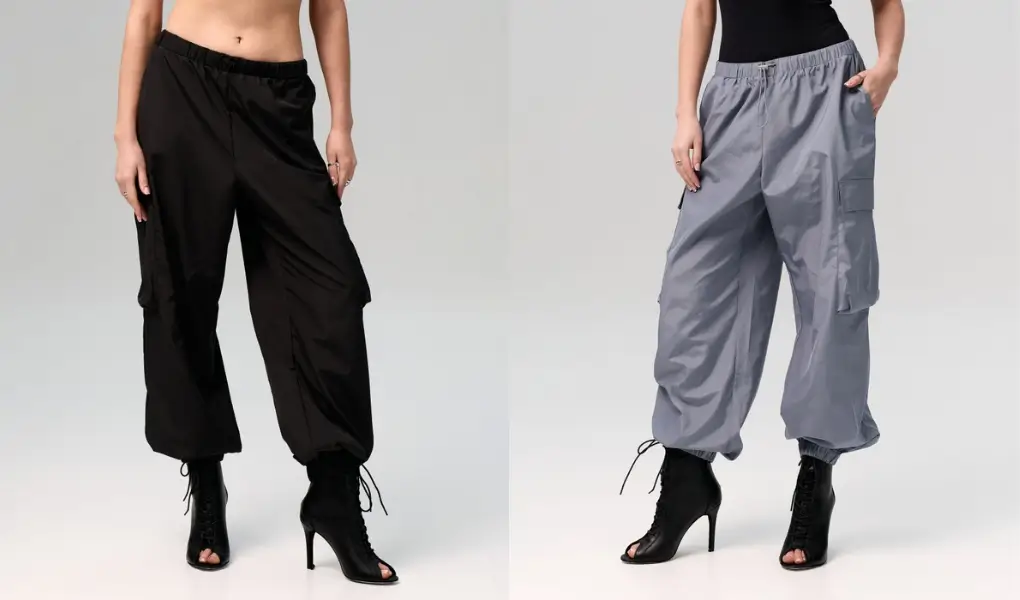
Whether you are stepping into a studio for an introductory commercial choreography session or rehearsing a complex contemporary routine, your clothing directly dictates your athletic performance. The ideal ensemble must act like a second skin, providing uncompromised muscular support while managing a shifted center of gravity during intense routines. When practice wear pinches, slips, or traps heat, it shifts your focus away from your technique and introduces unnecessary physical boundaries.
To unlock your full kinetic potential, you must select high-performance clothing engineered to work in perfect harmony with human biomechanics. Dancers looking for specialized, high-movement gear can browse an extensive selection of functional options through the official website: https://heelshub.co.uk/dancewear/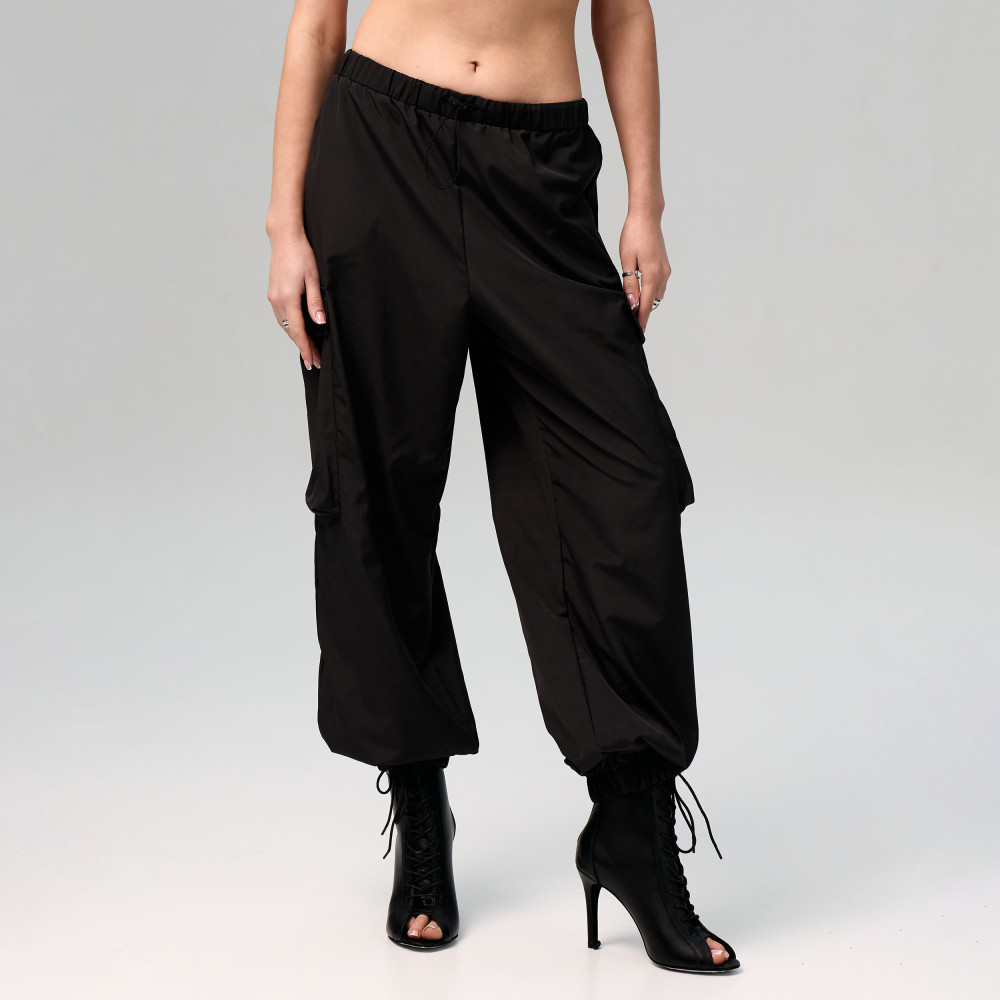
The Science of High-Movement Fabrics: Material Construction
The foundation of any functional studio wardrobe lies entirely within its textile architecture. Standard activewear often lacks the specific tensile strength and elasticity required to handle hyper-extended splits, deep floor drops, or explosive directional shifts. When evaluating technical apparel, prioritize these critical material characteristics:
- Four-Way Stretch Knit: Prioritize warp-knitted textiles containing a high blend of elastane, spandex, or Lycra (typically 15% to 25% composition). Unlike basic two-way stretch fabrics that only expand horizontally, four-way stretch expands multi-directionally, preserving shape retention during deep extensions and preventing the fabric from becoming sheer.
- Advanced Moisture Management: High-intensity choreography triggers rapid perspiration. Hydrophobic synthetic fibers like nylon, microfiber, and engineered polyester actively wick sweat away from the skin via capillary action, accelerating evaporation and preventing heavy, waterlogged fabric from causing friction burns.
- Surface Kinetic Friction: Your clothing texture must match your specific discipline. Floor-based styles require slick, low-friction finishes to facilitate effortless sliding transitions, while aerial and pole arts require exposed skin or high-grip fabrics to maintain absolute safety.
- Tensile Durability and Weight: Repeated contact with studio floors demands abrasion-resistant weaves. High-density nylon blends (interlock weaves) resist pilling and tearing when subjected to repetitive friction, sliding, and rolling across hardwood or marley floors. Look for mid-weight fabrics (200-250 GSM) for the optimal balance of opacity and breathability.
Precision Fit vs. Anatomical Restriction
An accurate fit balances compression with complete anatomical freedom. Clothing that is overly tight compresses muscle groups unnecessarily, shortening your lines and limiting your natural range of motion. Conversely, excessively loose items sag, bunch up, or obscure your alignment, making it difficult for instructors to analyze your posture, spinal tracking, and joint form.
When selecting core pieces like bodysuits, shorts, or sports bras, analyze the seam engineering. Flatlock stitching is highly recommended because the seams lie completely flat against the body, eliminating the painful chafing caused by repetitive movement. Furthermore, wide, elasticized, or cross-waist bands distribute tension evenly across the core, preventing the garment from rolling down or digging in during deep torso flexions and abdominal contractions.
Style-Specific Studio Apparel Checklist
Different dance styles place highly distinct physical demands on your wardrobe. Tailoring your selections to your specific discipline ensures you receive proper insulation, coverage, and protection exactly where your body needs it most.
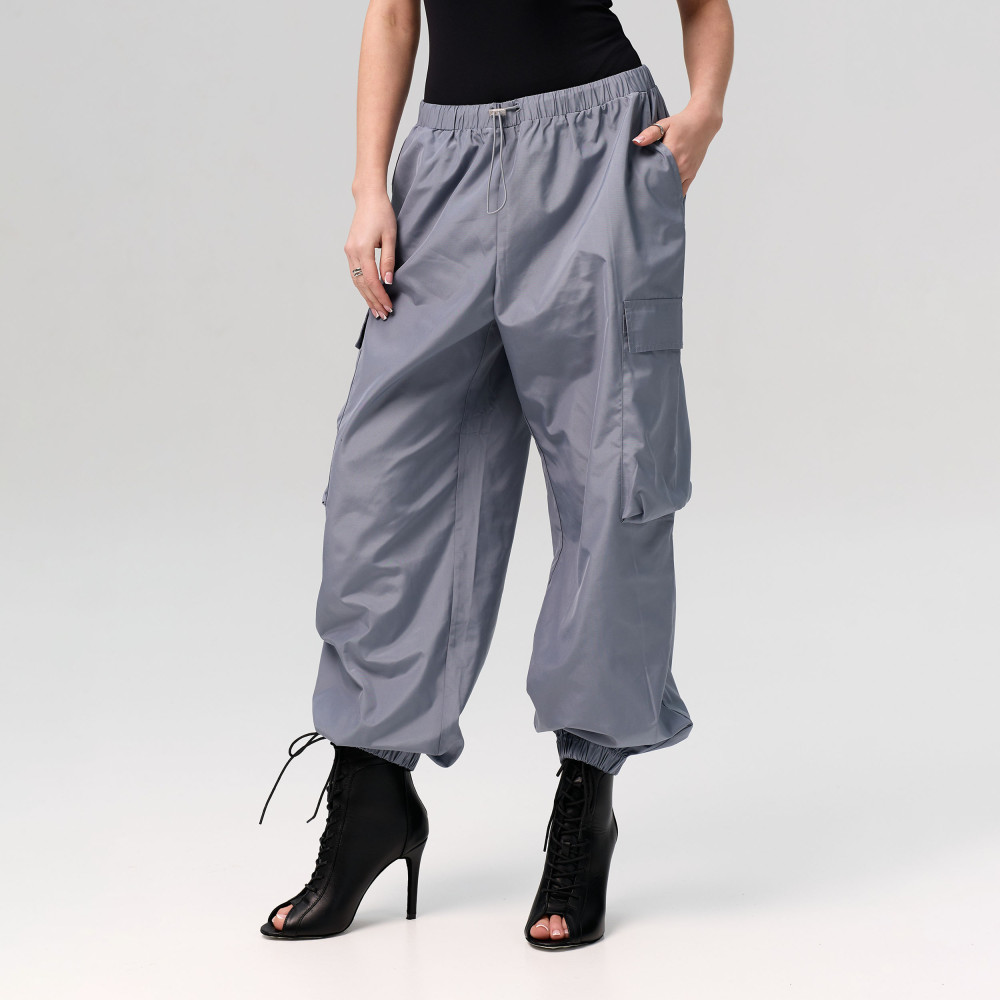
- High Heels & Commercial Dance: This discipline requires intense core activation and precise line visibility. Opt for form-fitting silhouettes like high-waisted boxer shorts paired with a supportive cross-waist top or a streamlined bodysuit. Lightweight, breathable cargo pants can also add visual style while offering skin protection during complex floorwork transitions.
- Contemporary & Lyrical: Fluidity, floor contact, and emotional expression are central here. Dancers frequently opt for minimalist, close-fitting shorts or flowing studio pants combined with flexible crop tops to keep the upper body completely unrestricted while capturing natural momentum.
- Pole Dance & Exotic Flow: Safety in this discipline relies heavily on secure skin-to-apparatus grip. Specialized low-coverage tops and high-waisted pole shorts expose the shoulders, waist, and inner thighs, providing the essential friction points needed to execute advanced inversions safely without slipping.
Fabric Maintenance: Washing, Drying, and Preserving Elasticity
Investing in technical dancewear requires a strict maintenance routine to preserve the tensile strength of elastomer fibers. Heat, friction, and harsh chemicals actively break down the molecular bonds of spandex and nylon, causing garments to lose structural memory and sag over time.
To maximize the operational lifespan of high-performance studio apparel, always adhere to the following maintenance protocol:
- Temperature Control: Wash all performance apparel in cold water (at or below 30°C). Hot water relaxes synthetic fibers permanently, stretching out form-fitting waistbands and compression panels.
- Detergent Selection: Use mild, liquid detergents and completely avoid fabric softeners. Softeners leave a microscopic silicone coating on the fabric weave, which glues synthetic pores together, permanently destroying moisture-wicking and breathability capabilities.
- Mechanical Protection: Turn garments inside out and utilize a mesh laundry bag. This step prevents flatlock stitching from snagging on machine hardware, zippers, or buttons during the agitation cycle.
- Thermal Evacuation (Drying): Never place technical dancewear into a commercial mechanical dryer. High thermal exposure breaks down elastomer threads, leading to micro-snaps that compromise fabric elasticity and shape retention. Instead, lay garments flat on a drying rack away from direct sunlight to prevent UV-induced fiber degradation.
The Ultimate Multi-Directional Mobility Test
Never assume an outfit is performance-ready just because it looks flawless while you are standing still in front of a mirror. True technical dancewear is built exclusively for dynamic motion. Before heading out to your next rehearsal or intensive masterclass, put your new apparel through a rigorous, three-step movement test right in your dressing room:
First, extend your arms completely overhead and arch your back to check if your top rides up excessively or pinches around the armpits. Next, drop down into a deep squat or parallel split to verify that your shorts or leggings maintain complete opacity and do not slip down past your hips. Finally, execute a rapid turn, torso twist, or sudden drop to ensure that straps remain firmly anchored without gaping open. If your clothes pass this trial without needing manual adjustment, you have found gear that truly moves with you.
Frequently Asked Questions
What fabric is best for high-intensity dance classes?
Warp-knitted nylon-spandex blends are ideal for high-intensity dance classes. These synthetic materials provide essential four-way stretch, maintain full opacity under tension, and wick away perspiration through engineered capillary action far better than natural fibers like cotton.
How tight should your studio dance apparel fit?
Studio apparel should fit firmly like a second skin without digging into the flesh or limiting joint articulation. Adequate compression supports muscle groups, reveals alignment to instructors, and stops the garment from shifting out of place mid-routine, though it must never hinder deep breathing or core contractions.
Why do my dance shorts roll down during floorwork?
Dance shorts usually roll down due to a thin, loose waistband or insufficient fabric tension across the glutes and hips. Opting for a wider, reinforced, or cross-waist band configuration helps distribute friction evenly, keeping the garment locked in place during deep torso flexions and leg movements.
How do I know if my dance outfit is see-through?
Perform a parallel split or a deep squat directly under bright, overhead studio lighting to verify fabric opacity. If the underlying skin or undergarments show through the textile weave, the fabric weight is too low (below 200 GSM) or the sizing is too small, overstretching the fibers.
Disclaimer: This guide serves as general educational information for studio dancers. Individual fit preferences may vary based on unique body shapes, specific brand sizing charts, and specific instructor guidelines. Always consult your studio’s dress code policy before purchasing professional apparel.
