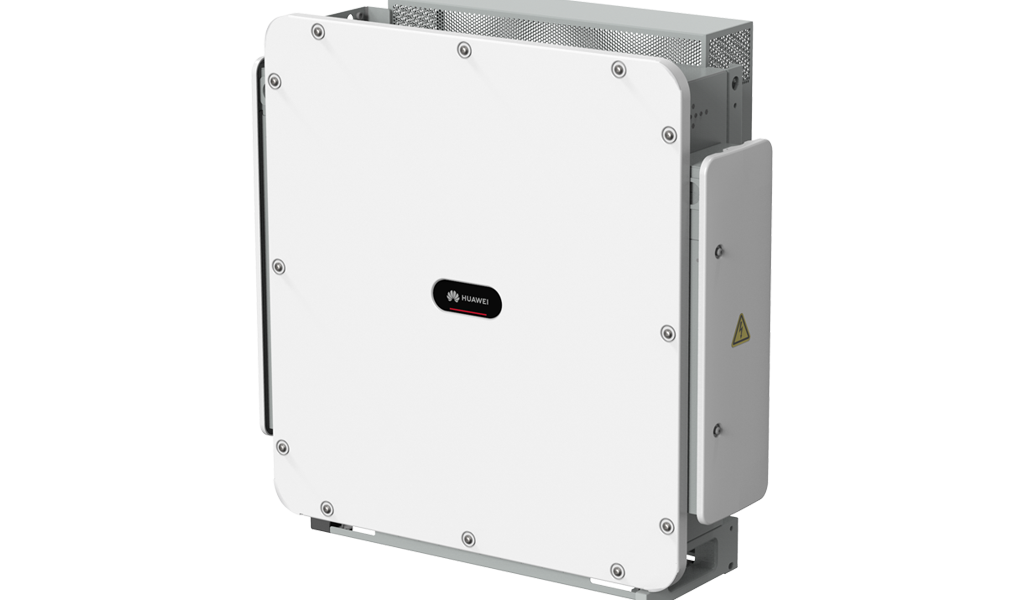
For a bidirectional power-conversion interface between battery energy and an electrical network, system integrators, owners, electrical engineers and operators need to identify who notices a problem and what happens next. That review should cover maintenance access, alarms and service responsibilities, because the ultimate objective involves safe power conversion, controls interoperability, measurable resilience and asset value. A promising technical specification is only the beginning of an infrastructure decision. Conditions at the actual site determine which benefits can be verified. A good plan links these practical questions to tests, documented responsibilities and realistic site conditions.
Plan maintenance access
Inspection routes, component replacement, software changes and spare-part logistics can influence the total cost of ownership. A dense design is only beneficial if it remains serviceable.
Control modes
The selected operating mode should fit grid requirements, energy dispatch and any intended microgrid functions. This is also a useful point to identify the maintenance team, the safety procedure and the records needed during a future fault.
Define the operating objective
A battery can support different goals: shifting energy, limiting demand peaks or assisting a microgrid. Each goal changes sizing and control priorities, so the project should agree on an operating hierarchy first.
Communications
Commands and diagnostic signals shared with battery management and site controls require an agreed interface. Before approving equipment, ask for a drawing or operating scenario that demonstrates the stated function under local conditions.
An early design discussion can use Smart PCS to identify relevant equipment categories, then confirm which functions are appropriate for this particular installation and its local rules.
Electrical fit
Voltage ranges, transformer configuration and protection settings must match the site design. Before approving equipment, ask for a drawing or operating scenario that demonstrates the stated function under local conditions.
Thermal conditions
Cooling arrangements and permissible environmental conditions influence installation choices and sustained operation. This is also a useful point to identify the maintenance team, the safety procedure and the records needed during a future fault.
A maintenance plan may also refer to Smart PCS while setting up service records, technician training and safe intervention procedures.
Conversion roles
A power conversion system governs the exchange of DC battery energy and AC network power in both directions. Any related promise should be linked to a documented test method and to the operating conditions for which it applies.
Serviceability
Module replacement, software revisions and technician access affect operating costs over the equipment life. This is also a useful point to identify the maintenance team, the safety procedure and the records needed during a future fault.
For a Smart PCS, the decisive question is whether the specified functions can be supported by site evidence, safe procedures and an accountable operating model. Each requirement should be reviewed against the actual project, not assumed to apply everywhere.
What the operating team needs
Before the work is accepted, operators should know the normal indicators, the first response to an alarm and where to find current diagrams. A workable handover is an operational asset.