

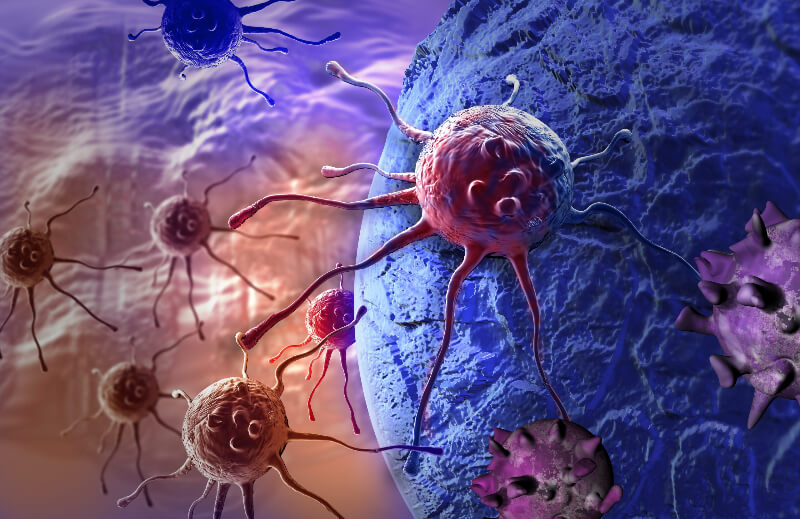
Cancer treatments have evolved significantly over the past few decades, moving beyond traditional chemotherapy and radiation. One of the most promising advances in modern medicine is Targeted Therapy. Unlike conventional treatments that attack both healthy and cancerous cells, targeted therapy is designed to specifically attack cancer cells, reducing side effects and improving outcomes. This article will explore what targeted therapy is, how it works, its types, benefits, and what patients can expect when undergoing this treatment.
What is Targeted Therapy?
Targeted therapy is a type of cancer treatment that focuses on the specific genes, proteins, or the tissue environment that contributes to cancer growth and survival. By honing in on these specific targets, the therapy can inhibit cancer progression while minimizing harm to normal cells.
Unlike chemotherapy, which circulates throughout the body affecting both healthy and cancerous cells, targeted therapy aims for precision. This precision makes it a safer option for many patients, offering better quality of life during treatment.
How Does Targeted Therapy Work?
Targeted therapy works by interfering with specific molecules involved in tumor growth. These molecules are often called “molecular targets,” and they can include:
- Proteins – Some therapies block proteins that promote cancer cell division.
- Genes – Some treatments target genetic mutations that allow cancer to thrive.
- Tumor Environment – Certain therapies disrupt the blood supply to tumors or boost the immune system to fight cancer.
By addressing these precise targets, the therapy can slow down or stop the growth of cancer cells without affecting normal tissues.
Types of Targeted Therapy
There are several types of targeted therapy, each working differently depending on the cancer type and molecular characteristics. Common types include:
- Monoclonal Antibodies: These lab-engineered molecules can bind to specific proteins on cancer cells, marking them for destruction by the immune system.
- Tyrosine Kinase Inhibitors (TKIs): These drugs block enzymes called tyrosine kinases, which are often involved in the signaling pathways that tell cancer cells to grow.
- Angiogenesis Inhibitors: These therapies prevent the formation of new blood vessels, effectively “starving” the tumor.
- Immunomodulators: Some targeted therapies can enhance the immune system to recognize and attack cancer cells more effectively.
Benefits of Targeted Therapy
The advantages of targeted therapy over traditional treatments include:
- Precision: Minimizes damage to healthy cells.
- Reduced Side Effects: Less nausea, hair loss, and fatigue compared to chemotherapy.
- Effectiveness: Especially effective for cancers with known molecular markers.
- Combination Potential: Can be combined with other treatments, like chemotherapy or immunotherapy, to improve results.
Who Can Benefit from Targeted Therapy?
Not every cancer patient is eligible for targeted therapy. Doctors usually perform molecular testing to identify specific genetic mutations or proteins in the tumor. Patients whose cancers have these targets are the most likely to benefit.
Moreover, targeted therapy is increasingly used for cancers that are resistant to other treatments, giving patients new hope even in challenging cases.
What to Expect During Treatment
Treatment protocols vary depending on the type of targeted therapy and cancer. Some treatments are administered orally as pills, while others are given intravenously. Patients typically experience fewer side effects than chemotherapy, but some may still experience fatigue, skin rashes, or high blood pressure.
Regular monitoring and follow-ups are essential to track the treatment’s effectiveness and adjust dosages if needed. Patient education and communication with healthcare providers play a key role in managing side effects and improving outcomes.
The Future of Targeted Therapy
Research in targeted therapy is rapidly advancing. Scientists are developing new drugs and combination therapies to improve precision and effectiveness. Personalized medicine, where treatment is tailored to an individual’s genetic profile, is becoming increasingly feasible.
This approach promises a future where cancer treatment is not only more effective but also far gentler on patients’ overall health.
Conclusion
Targeted Therapy represents a major shift in cancer treatment, prioritizing precision and personalized care. By focusing on specific molecular targets, it offers effective cancer control with fewer side effects than traditional therapies. As research continues to advance, targeted therapy is likely to become an integral part of cancer care worldwide.
For anyone exploring treatment options, understanding targeted therapy and discussing it with healthcare professionals can provide valuable insight into the most effective and safe treatment paths.
